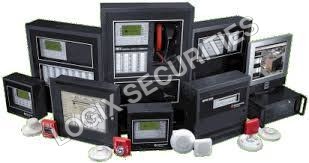
About Fire Fighting Equipments
For meeting the diverse requirements of our customers, we are engaged in manufacturing, supplying and exporting Fire Fighting Equipments. These products are widely acclaimed by the customers for their excellent performance, easy handling, low maintenance and longer service life. Our Fire Fighting Equipments can also be customized as per the demands and needs of customers. We also check these on certain parameters to assure zero defect.
Fire Fighting Equipments
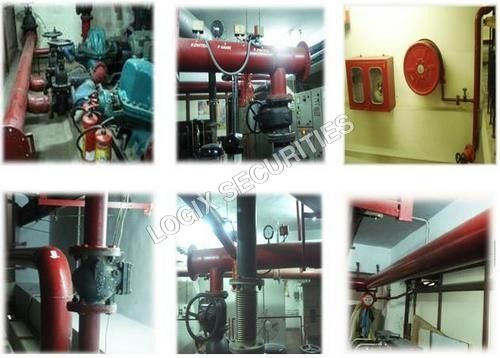
Logix Honeywell are System Integrators for complete range of fire fighting equipments and systems. We provide all types of portable & mobile fire extinguishers. The company is in the field of undertaking Turnkey projects related to firefighting such as:
Fire hydrant system
Sprinkler system
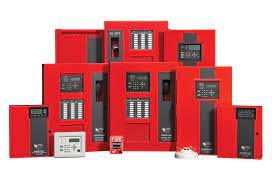
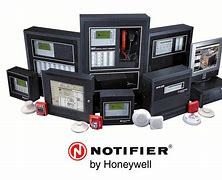
Fire alarm system
Water spray system (H.V.W/M.V.W)
CO2/Foam FM 200 Extinguishing system
Intelligent fire detection system
Versatile Application Across Multiple SectorsFire fighting equipment is essential for secure environments in industries, commercial spaces, and homes. With broad compatibility due to nozzle and outlet hose connections, this range addresses various fire hazards efficiently. Its wall-mounted and portable designs support flexible installation, helping safeguard spaces with varying risk levels. Each product is tailored for rapid deployment and maximum coverage, making it an excellent choice for preventive safety in any setting.
Built for Reliability and ResilienceConstructed with corrosion-resistant materials and finished with a protective red epoxy coating, our equipment resists harsh weather, ensuring consistent performance both indoors and outdoors. With no voltage required and manual operation, the systems remain functional during power failures, adding an extra layer of safety. The robust cylindrical shape and ergonomic controls facilitate both swift access and straightforward use during emergencies.
FAQs of Fire Fighting Equipments:
Q: How do I determine the right fire extinguisher type for my property?
A: Select the extinguisher based on the types of fire risks present. CO2 extinguishers suit electrical fires, dry powder ones handle multiple fire classes (A, B, C), water extinguishers are ideal for solid combustibles, while foam types cover liquid fires. Assess your specific needs in commercial, industrial, or residential settings to choose the best fit.
Q: What is the typical process for installing fire fighting equipment?
A: Installation involves identifying high-risk locations, mounting the equipment on walls or placing portable/wheeled units in accessible spots. Each unit connects via nozzle or outlet hose connections, following ISI standards for safety and efficiency. Professional installation services are recommended to ensure full compliance and operational readiness.
Q: When should fire fighting equipment be serviced or maintained?
A: Routine servicing is generally required at least once a year or as per the manufacturers instructions. Regular checks help verify average operating pressure (1215 bar), functionality, and cleanliness. Prompt maintenance ensures reliability during emergencies and extends equipment lifespan.
Q: Where should fire extinguishers be mounted for optimal coverage?
A: Extinguishers should be mounted at visible, easily accessible points along escape routes, near exits, and in high-risk areas like kitchens, workshops, or storerooms. For industrial and commercial premises, coverage area variesplace units according to the layout and hazard analysis recommendations.
Q: What technology ensures high-pressure discharge in this equipment?
A: The equipment operates with pressurized stored agent technology, maintaining a high-pressure discharge (average 15 bar). This delivers rapid deployment of extinguishing agents, effectively suppressing flames across designated coverage areas.
Q: What benefits do corrosion resistance and weatherproof features provide?
A: Corrosion-resistant and weather-resistant construction ensures the equipment remains functional in challenging environments, reducing the need for frequent replacements. These features protect the extinguishers integrity, especially in outdoor or industrial locations.
Q: How does manual operation add value to fire safety in emergencies?
A: Manual controls provide immediate response capability with no reliance on electrical power, making the equipment operational during power outages or emergencies. This enhances safety by ensuring users can activate the units at any time.




 Send Inquiry
 Send Inquiry